
Financial Tips
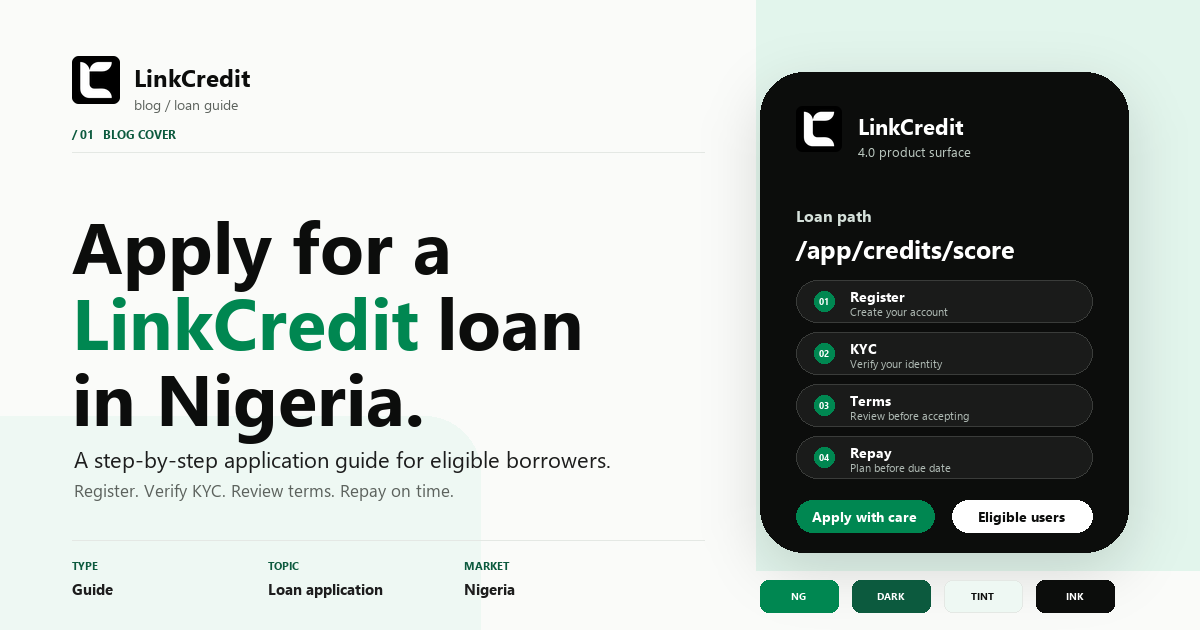
How to Apply for a LinkCredit Loan in Nigeria
A simple step-by-step guide to help eligible users apply for a LinkCredit loan, complete KYC verification, review loan terms, and repay responsibly.
30 June 20265 min read
Here are practical tips that can help salary earners in Nigeria plan better, spend more intentionally, and stay more in control each month.
Why this piece matters
Practical guidance you can use to manage income, spending, and borrowing more confidently.
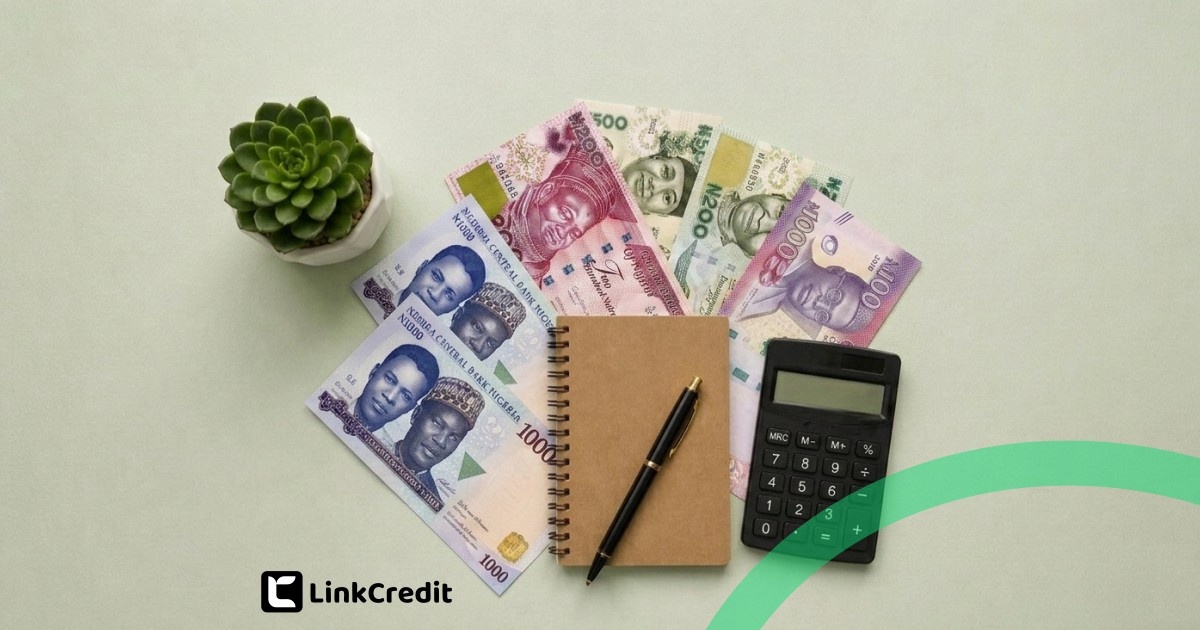
For many salary earners, the biggest challenge is not only earning money. It is making that money last through the month in a way that feels stable, practical, and less stressful.
Budgeting can help with that.
The good news is that budgeting does not need to be complicated. A useful budget is not about making life feel restrictive. It is about helping you understand where your money goes, what matters most, and how to make better choices with what you earn.
A practical budget begins with a realistic number.
Before planning any expenses, be clear about how much money you actually receive each month. This should be the amount available to you after any deductions, not just the number you expect in theory.
Once that number is clear, it becomes much easier to plan responsibly.
A budget works best when it is based on reality, not wishful thinking.
One of the most useful budgeting habits is learning to separate real needs from spending that happens because of pressure, impulse, or poor planning.
Real needs may include:
Pressure spending often feels urgent in the moment, but it usually creates more stress later.
When you know the difference, it becomes easier to protect your income from avoidable drain.
A salary can disappear quickly when spending begins without structure.
That is why it helps to identify your most important expenses early in the month. Once essentials are accounted for first, the rest of your decisions become easier to manage.
This does not mean every naira has to be controlled perfectly. It simply means your most important obligations should not be left to chance.
Early planning reduces last-minute pressure.
Many people think budgeting problems come only from one big expense.
In reality, money often slips away through repeated small spending that feels harmless in isolation. Extra transport, frequent takeout, unplanned subscriptions, quick transfers, and everyday impulse spending can quietly build into something bigger.
Tracking these “small leaks” helps you understand where your money is actually going.
Awareness is often the first step to control.
A budget that feels too strict usually does not last.
Instead of trying to cut everything at once, it is often better to create simple spending boundaries. For example, you may decide how much to use for transport, food outside the home, airtime, or personal extras within the month.
The goal is not punishment.
The goal is to make spending more intentional.
A budget should help you breathe better, not feel trapped.
Even when income is tight, the habit of setting something aside can still matter.
It does not always need to be a large amount. What matters most is the consistency of the habit. A small reserve can create more flexibility, reduce panic around unexpected expenses, and make monthly planning feel less fragile.
Over time, that habit can become one of the strongest parts of a healthier financial routine.
One common budgeting mistake is using most of your salary too early in the month and leaving later obligations exposed.
A better approach is to think beyond the first few days after payment arrives. Ask yourself:
Good budgeting is often about protecting your future self from avoidable stress.
Some people use notebooks. Others use budgeting apps, wallet tools, or a simple phone note.
The best budgeting system is not the most complicated one. It is the one you can actually maintain.
If a method is too complex, you may stop using it. If it is simple and repeatable, it is more likely to become part of your routine.
Consistency is usually more valuable than complexity.
A budget becomes more useful when you review what actually happened.
At the end of the month, look back and ask:
This kind of review makes budgeting smarter over time. A budget should improve with experience, not remain fixed without reflection.
Practical budgeting is not about being perfect. It is about becoming more aware, more intentional, and more prepared.
For salary earners in Nigeria, even a few better habits can make a meaningful difference: planning early, tracking spending, protecting essentials, and keeping part of your income under better control.
A good budget does not just organize money. It helps create more stability in everyday life.
Continue reading
A simple step-by-step guide to help eligible users apply for a LinkCredit loan, complete KYC verification, review loan terms, and repay responsibly.

A wallet that earns more than grow your balance. It can also support better saving behavior, stronger discipline, and smarter day-to-day money habits.

KYC verification is often simpler than people expect. Here is what users should prepare, what information must be accurate, and why face verification matters.